
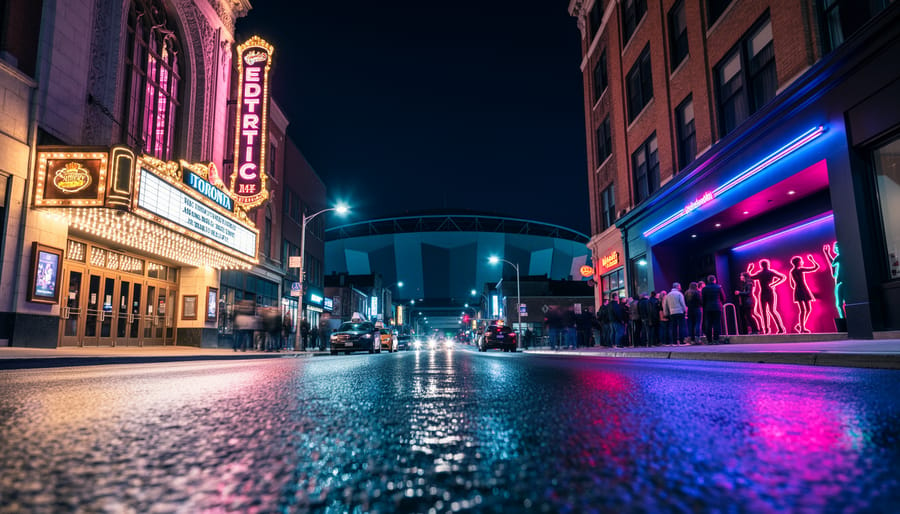
Toronto’s Entertainment District packs theatres, nightclubs, sports arenas, live music venues, and late-night dining into a few electrifying blocks between King and Front Streets, roughly bounded by Spadina Avenue and University Avenue. This is where you’ll find everything from Broadway musicals at the Royal Alexandra Theatre to pulsing dance floors at Rebel, Raptors games at Scotiabank Arena, and jazz bars tucked into historic buildings. The entire area is walkable in under 20 minutes, making it easy to hop between a pre-show dinner, a live concert, and a rooftop patio all in one night.
What makes this district special isn’t just the density of venues, it’s the range. You can dress up for a symphony at Roy Thomson Hall, then walk three blocks to a grungy rock club on Queen Street West. The crowd shifts block by block: theatre-goers in blazers mix with club kids in designer streetwear, sports fans in jerseys spill out of pubs, and tourists wander wide-eyed between the neon signs. Knowing which pockets cater to which vibe is the difference between stumbling into the wrong scene and landing exactly where you want to be.
Most locals will tell you the real trick is timing. The district transforms from a business lunch crowd at noon to pre-theatre diners by 6 p.m., then explodes into full nightlife mode after 10. Weekend nights see lineups wrap around corners, cover charges climb, and transit packed until the early morning hours. But if you know which streets to hit for live music, where the local DJs spin, and which hidden patios stay open past midnight, you’ll navigate it like a pro.
Why the Entertainment District Is Worth Your Night Out
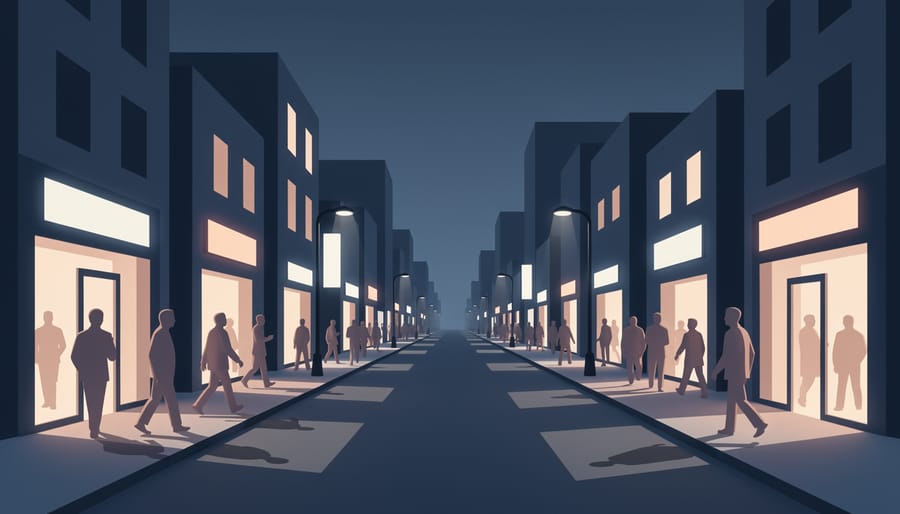
Within a compact four-block radius of downtown Toronto, the Entertainment District packs more nightlife density than almost any neighbourhood in Canada. This concentration means you can hit a theatre show, grab craft cocktails, dance until 2 a.m., and catch late-night ramen without ever hailing a cab or dealing with long commutes. Everything you need for a memorable evening exists within walking distance, making it ridiculously easy to piece together your ideal night on the fly.
The district’s real strength lies in its range. You’ll find:
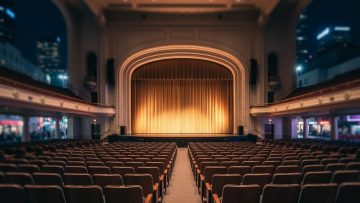
- Broadway-caliber productions at historic theatres like the Royal Alexandra and Princess of Wales
- World-class nightclubs spinning everything from house and hip-hop to Latin and EDM
- Scotiabank Arena hosting Raptors games, Maple Leafs hockey, and major concerts
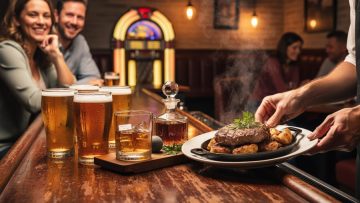
- Dining options spanning upscale steakhouses to late-night shawarma and Korean BBQ
- Accessible transit with multiple subway and streetcar lines running until 2 a.m. on weekends
- Year-round festivals and events, from TIFF in September to outdoor summer concerts
That variety means groups with totally different tastes can all find something worth doing without splitting up. Your friend who wants to see live theatre and your buddy who only cares about sports bars both get what they’re after in the same neighbourhood.
The district stays electric long after most Toronto areas go quiet. Street crowds peak around 10 p.m. when shows let out and club lines start forming, but the energy holds steady past midnight. Venues stagger their closing times, so there’s always somewhere still going strong even at 3 a.m. Transit options and safe, well-lit streets make getting around late viable, which keeps the whole area buzzing when other neighbourhoods have already called it a night.
Top Areas and Venues in the Entertainment District
1. King Street West, Theatre and Upscale Nightlife
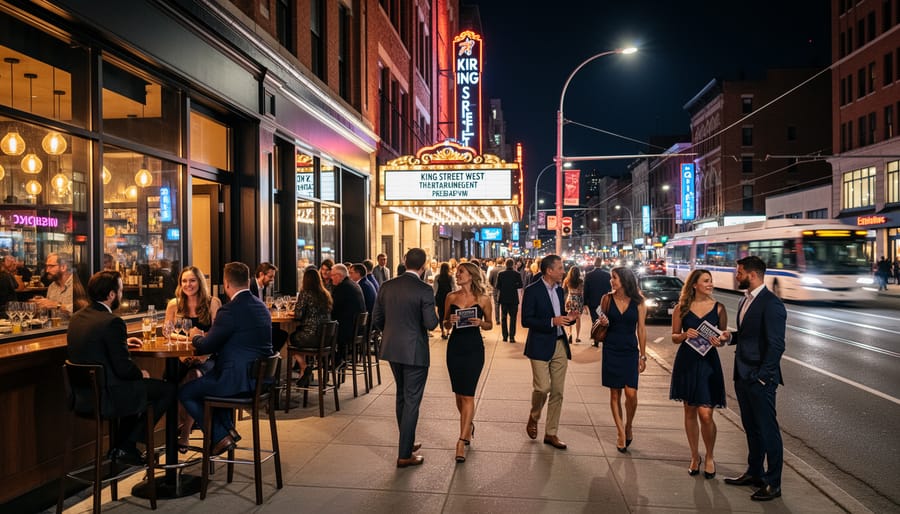
King Street West is where Toronto dresses up for the night. This stretch runs from University Avenue to Spadina and anchors the district’s cultural credentials with Broadway-caliber productions at the Princess of Wales Theatre and Royal Alexandra Theatre, plus the TIFF Bell Lightbox drawing film buffs year-round. The theatres set the tone: you’ll spot well-dressed couples streaming out of matinees at 5 p.m. and pre-show diners filling reservations between 6 and 7:30 p.m.
The bar scene here skews sophisticated. Cocktail lounges with velvet banquettes and craft spirit menus cluster within a two-block radius of the theatres, designed for pre-show martinis or intermission breaks. Expect polished wood, ambient lighting, and bartenders who know their Negroni variations. Dress codes aren’t posted, but the crowd self-selects: smart casual at minimum, with plenty of blazers and heels on weekend nights.
This isn’t the strip for late-night dancing or sports bar roars. King Street West wraps up earlier than the clubbing blocks to the south, with most venues quieting down by 1 a.m. The energy peaks twice: the dinner rush before showtime and the post-theatre wave around 10:30 p.m., when theatre crowds spill into dessert bars and wine lounges. If you’re after conversation over bass drops and prefer a Manhattan to a pitcher, this area delivers.
2. John Street, Sports, Concerts, and High-Energy Bars
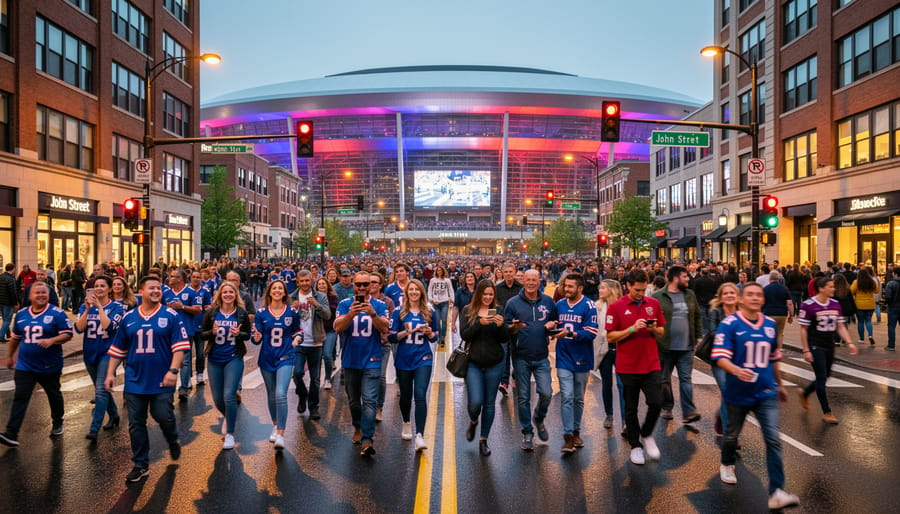
John Street pulses with energy on event nights, anchored by Scotiabank Arena at its southern end. This is Toronto’s sports and concert epicenter, where thousands converge before Raptors games, Leafs matchups, and arena shows. The street transforms into a sea of jerseys, pre-game excitement, and post-concert buzz that spills into every surrounding bar and pub.
Sports bars dominate the landscape here, packed shoulder-to-shoulder during big games. Expect multiple screens broadcasting simultaneous events, wings and nachos on every table, and crowds that erupt when plays happen. These venues thrive on the communal atmosphere, strangers high-five, groups claim booths hours before puck drop, and the volume rivals the arena itself.
Concert nights bring a different flavor but equal intensity. Music fans flood the street after shows, adrenaline still pumping, comparing setlists and reliving moments over drinks. Bars capitalize on this by staying open later on event nights and offering themed cocktails tied to touring acts.
The John Street experience works best for groups. Solo visits can feel overwhelming when the crowds surge, but with friends it’s electric. Arrive early if you want a table, two hours before an event is wise for popular matchups. Post-event, lines snake out doors as everyone leaves simultaneously, so either commit to staying late or head out before the final buzzer.
3. Adelaide and Richmond, Clubbing and Late-Night Dance Venues
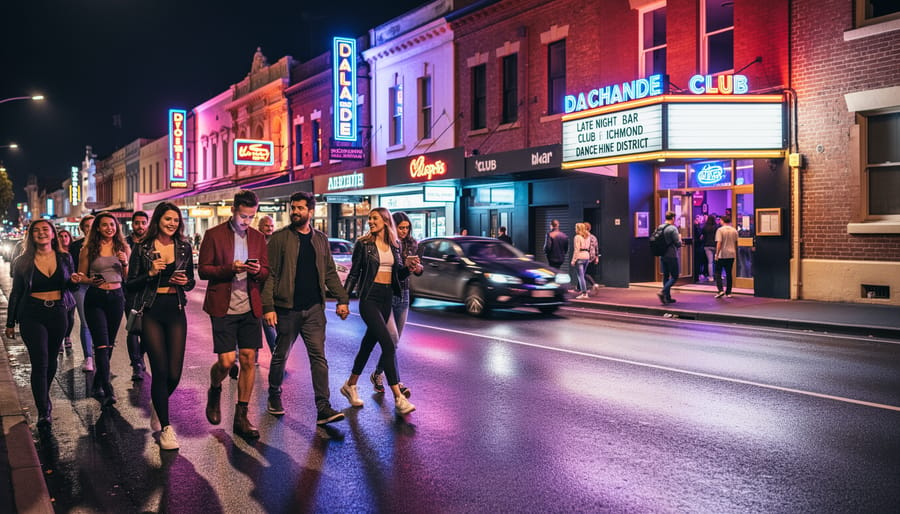
Adelaide and Richmond Streets form the beating heart of Toronto’s club scene, drawing crowds who come ready to dance until dawn. This parallel pair of one-way streets hosts the highest concentration of nightclubs in the district, with bass-heavy music spilling onto the sidewalks and lineups snaking around corners after midnight.
The strip comes alive around 11 PM, but the real energy peaks between 1 and 3 AM when multiple venues hit capacity. Expect top-40 hits, EDM, hip-hop, and house music depending on the club and the night, themed evenings shift the vibe from Latin nights to throwback parties. Most venues enforce dress codes: club casual at minimum, with many requiring collared shirts for men and heels encouraged for women. Sneakers and athletic wear typically won’t get you past the door.
The crowd skews younger, predominantly twenties and early thirties, with bachelorette parties, birthday groups, and out-of-towners mixing with regulars. Weekend nights bring the biggest crowds and longest waits, often with cover charges ranging from $10 to $30. Venues stay open until 2 AM on weekdays, 3 AM on weekends, with some securing extended permits for special events.
Come prepared: bring ID, wear comfortable shoes you can actually dance in, and plan your exit strategy before the 3 AM rush hits the cab stands. The energy here is unmatched if you’re chasing that proper nightclub experience.
4. Peter Street, Intimate Lounges and Craft Cocktail Bars
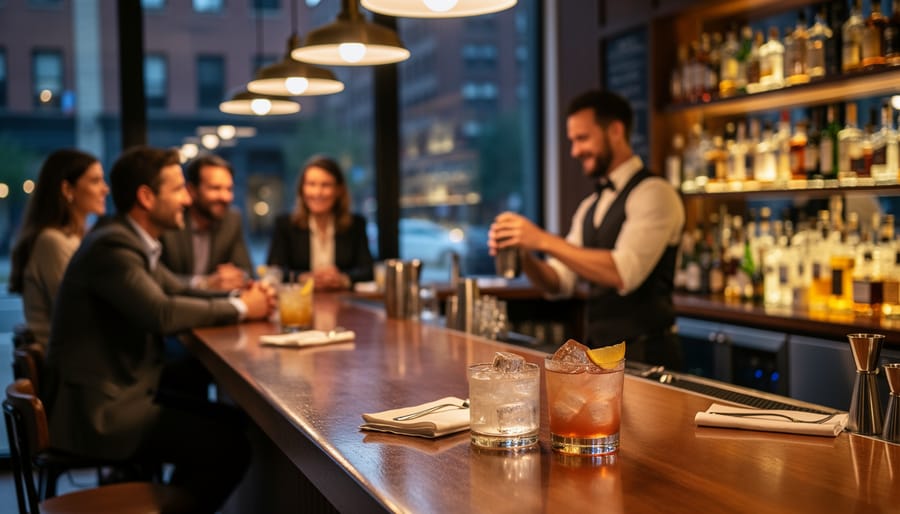
Peter Street offers a distinct shift in energy from the high-octane clubs just blocks away. Here, the focus turns to craft cocktails, low lighting, and spaces designed for actual conversation. The street and its side alleys host some of the district’s most refined drinking establishments, think leather banquettes, curated wine lists, and bartenders who take their time building your drink.
The vibe skews sophisticated without being stuffy. You’ll find speakeasy-style bars tucked behind unmarked doors, wine bars with extensive by-the-glass programs, and lounges where the music stays at a volume that doesn’t force you to shout. These aren’t party-until-dawn venues; they’re places where people settle in for a couple hours, order thoughtfully, and leave feeling like they had a proper night out rather than just a blur of noise.
Date nights thrive here. The pacing is slower, the seating more comfortable, and the crowds trend toward late twenties and up. Many spots feature craft cocktail menus that change seasonally, bartenders who’ll make recommendations based on your preferences, and an atmosphere that encourages lingering. Dress codes lean smart casual, leave the sneakers and ball caps behind.
If you’re looking to start your evening somewhere quieter before heading to louder venues, or you want your entire night to center on quality drinks and conversation, Peter Street delivers exactly that experience.
5. Duncan Street and Blue Jays Way, Live Music and Eclectic Venues
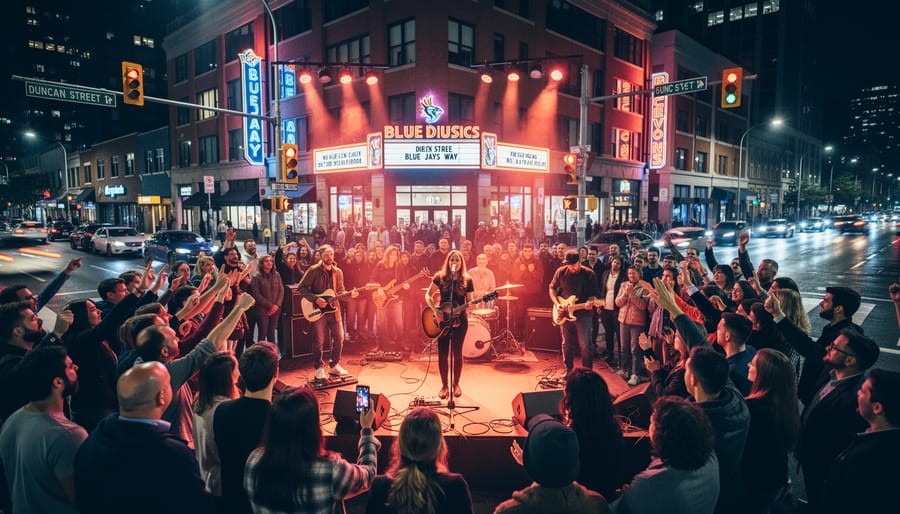
This stretch pulls in a crowd that skips the mainstream clubs in favour of something rawer and less predictable. You’ll find venues hosting local indie bands one night and themed DJ sets the next, with a rotation that keeps regulars coming back to see what’s on. The vibe here leans alternative, think smaller stages, exposed brick, eclectic decor, and a crowd more interested in discovering new sounds than following the usual top-40 circuit.
Live music spots on this strip typically feature rock, indie, punk, and electronic acts, with some venues booking touring artists alongside Toronto-based talent. Cover charges run lower than the big clubs on Adelaide, usually between $10 and $20 depending on the lineup. Many places double as bars during the week and switch into full music mode on weekends, so checking the schedule ahead makes sense if you’re hunting for a specific sound.
The atmosphere is relaxed early and intensifies as the night builds. Dress codes are minimal to nonexistent, you’ll see everything from band tees to vintage leather jackets. Drinks are reasonably priced, and bartenders tend to know the regulars by name. If you’re tired of the polished, predictable nightlife elsewhere in the district, this area offers a grittier, more spontaneous alternative where the focus stays on the music and the energy of the crowd.
6. Wellington Street, Patios, Gastropubs, and Casual Hangouts
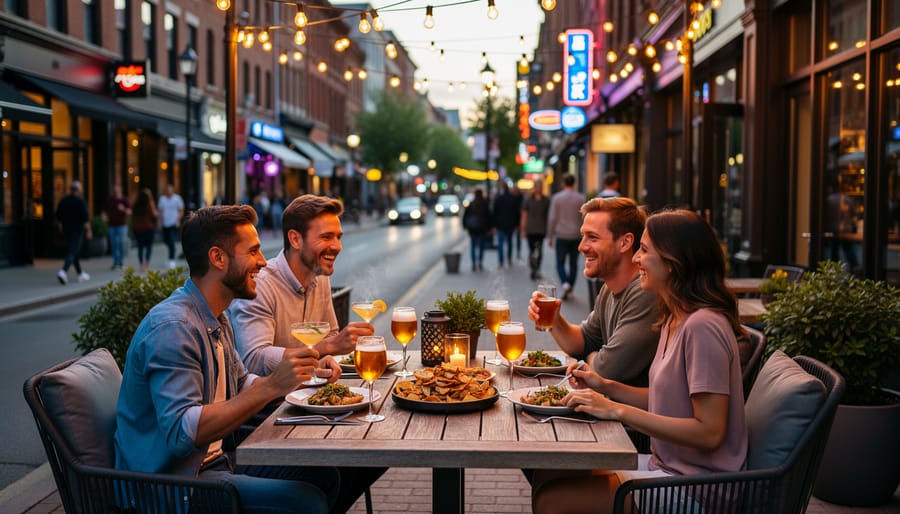
Wellington Street offers a refreshing contrast to the high-energy clubs and packed theatre crowds elsewhere in the district. This stretch leans toward casual, approachable spots where you can actually hold a conversation without shouting over bass-heavy speakers.
The gastropubs here strike a comfortable middle ground, craft beer selections that go beyond the usual domestics, elevated pub food that’s a step up from wings and nachos, and an atmosphere that works equally well for catching up with friends or winding down after a show. You’ll find wood-paneled interiors, communal tables, and bartenders who know their tap list.
When the weather cooperates, Wellington’s patio scene comes alive. From May through September, these outdoor spaces fill with locals who prefer open air to packed indoor venues. The vibe skews more neighborhood hangout than tourist attraction, which means shorter waits and less attitude at the door.
This is where you start your night if you want to ease into things with a couple of drinks before heading somewhere livelier, or where you end up at midnight when you’ve had your fill of clubbing but aren’t ready to call it quits. The kitchens here typically stay open later than most restaurants outside the district, making Wellington a practical pit stop for late-night food that’s better than street meat.
Expect a mixed crowd, theatre patrons, downtown professionals, and locals who live in the adjacent neighborhoods.
7. Venue Highlights: Clubs, Bars, and Performance Spaces
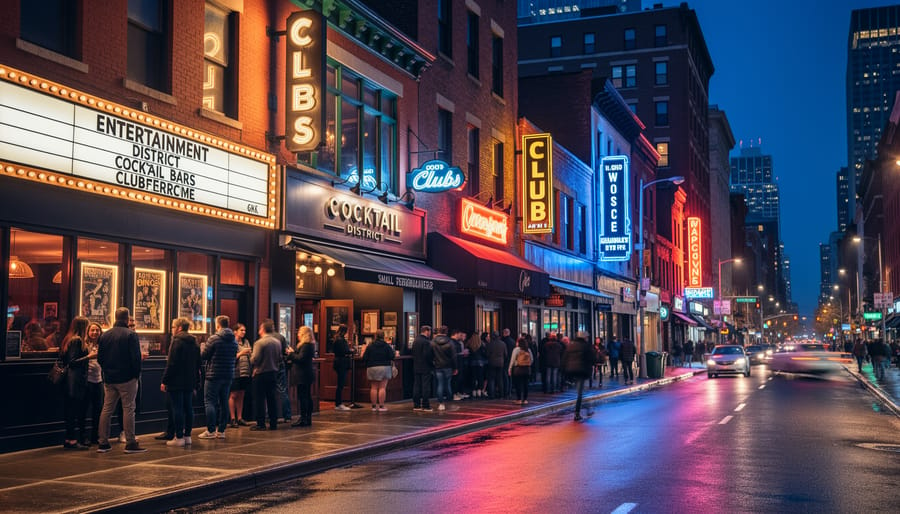
The Entertainment District’s reputation rests on a core group of venues that have defined Toronto nightlife for years. Rebel (formerly Sound Academy) on Polson Street draws international DJs and electronic music fans to its massive dance floor, while the smaller Coda on College attracts serious house and techno devotees with its exceptional sound system. For live music, the Opera House and Lee’s Palace offer intimate concert experiences, though both sit just outside the district’s main boundaries.
Comedy lovers know Second City Toronto on Blue Jays Way as the launching pad for countless stars, delivering sharp improv and sketch shows nightly. The Royal Alexandra and Princess of Wales theatres anchor the performing arts scene with major musicals and plays. Meanwhile, spots like Bar Hop and The Craft Brasserie blend Toronto’s craft beer boom with solid pub fare, useful when you need to figure out what to eat before diving into the night.
Clubbers gravitate toward Toybox, Fiction, and Cube on the Adelaide strip for EDM and top-40 nights, though venues rotate popularity season to season. For cocktails, check out BarChef on Queen West or the speakeasy-style Cold Tea for inventive drinks. Each venue brings its own crowd and energy, so matching your mood to the right spot makes all the difference in how your night unfolds.
Practical Information for Visiting the Entertainment District
Getting to the Entertainment District is straightforward: the area sits between Bathurst and University Avenue, roughly from Front Street north to Queen. The TTC subway serves this zone via St. Andrew Station (Line 1) at King and University, and Union Station is a short walk south. Streetcars run along King, Queen, and Spadina with frequent service until late. If you’re driving, expect parking rates of $20, $40 for evening spots in lots near King and John, though street parking is scarce and heavily restricted after 6 p.m. Rideshare drop-offs work best on side streets like Peter or Duncan to avoid King Street congestion.
| Getting There | Best Times | Typical Costs | What to Know |
|---|---|---|---|
| St. Andrew Station, Union Station, King/Queen streetcars; parking $20, $40 | Weeknights: 8-11 p.m. peak for theatre/dining; Weekends: 10 p.m., 2 a.m. for clubs | Club covers $10, $30; cocktails $12, $18; beer $7, $10 | Most clubs enforce smart-casual dress (no athletic wear); valid photo ID required (19+) |
Most theatre performances end around 10 p.m., flooding the area with crowds looking for post-show drinks. Clubs don’t fill up until 11 p.m. or midnight on weekends, so arriving at 10 saves you line time. Cover charges vary wildly: neighbourhood bars are free or $5 on weeknights, while weekend clubs charge $15, $30 depending on the DJ. Drink prices hover around $15 for cocktails and $8 for domestic beer, though happy hour specials run until 7 or 8 p.m. at many spots.
Dress codes lean smart-casual in most venues. Clubs on Adelaide won’t admit guests in ripped jeans, sneakers, or sports jerseys, especially on Fridays and Saturdays. Lounges and gastropubs are more relaxed. Bring government-issued photo ID proving you’re 19 or older, bouncers check everyone, regardless of appearance. The district is generally safe with heavy foot traffic and visible security, though stay alert on side streets after 2 a.m. Most venues are ground-level accessible, but older buildings may have stairs; call ahead if mobility is a concern. Late-night bar food picks become essential after midnight when hunger hits between venues.
Local Tips and Insider Advice
Locals skip the crowded mainstream spots on Friday and Saturday nights, instead hitting King Street West on Thursdays for theatre pre-shows or Adelaide clubs on Wednesdays when cover charges drop and the vibe feels less touristy. If you’re aiming for a specific club, arrive before 10:30pm to beat the lineups, or show up after 12:30am when the initial rush has cleared and bouncers ease up on selectivity.
The district transforms with the seasons. Summer means packed patios along Wellington and Peter Street, where locals nurse drinks outdoors until last call. Winter shifts the energy indoors to cozy cocktail dens and basement clubs, with shorter lines but earlier peak hours since fewer people brave the cold after midnight.
For authentic local flavor regulars frequent the Peter Street lounges mid-week or catch live bands on Duncan Street, avoiding the bottle-service crowds that dominate Adelaide on weekends. After-hours hunger hits hard here. Smart night-owls know the best late-night bites cluster around John Street near Scotiabank Arena, pizza joints, shawarma counters, and diners that stay open until 3am or later. Skip the overpriced club bathrooms and duck into a nearby hotel lobby if you need a breather. Most importantly, keep your phone charged for ride-hailing apps, since cabs get scarce after 1am and streetcar waits stretch longer as the night wears on.
Frequently Asked Questions
The Entertainment District draws visitors from around the world, and many have the same practical questions before their first visit. Here are clear answers to the most common concerns.
Is the Entertainment District safe at night?
Yes, the district maintains a strong security presence with frequent police patrols, venue security staff, and well-lit streets throughout the core area. The concentration of people and active venues keeps the area busy and watched, though standard city awareness applies, stick to main streets, travel in groups when possible, and keep belongings secure.
Do I need reservations for bars and clubs?
Upscale lounges and cocktail bars often require or strongly recommend reservations, especially Thursday through Saturday. Most clubs operate on a first-come basis but may offer table service bookings, while casual bars rarely need advance planning except for large groups.
What should I wear to venues in the district?
Dress codes vary widely: clubs on Adelaide and Richmond enforce smart casual to upscale attire with no athletic wear or work boots, Peter Street lounges lean sophisticated, while sports bars and gastropubs on Wellington welcome casual clothing. Check specific venue policies online before heading out.
How late do venues stay open?
Ontario law sets last call at 2:00 AM with venues closing by 2:30 AM, though some late-night spots serve best bar food until 3:00 AM or later. Theatres and concert venues follow show schedules, typically wrapping by 11:00 PM on weeknights.
For getting home after the TTC stops running around 2:00 AM on weeknights, your options include ride-share services like Uber and Lyft, traditional taxis which line up along King Street, or the Blue Night Network bus routes that serve downtown until early morning. Friday and Saturday see extended subway service until approximately 4:00 AM, covering most club closings.